Wrong decisions at work – how to deal with them properly
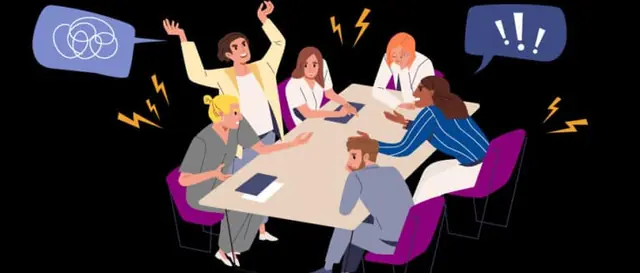
Wrong decisions are part of any job. But how should you deal with wrong decisions confidently and make the best of them?

People are not perfect and wrong decisions are part of life. Most of us also have to cope with wrong decisions at work. What makes such mistakes so tragic is the fact that many people simply cannot forgive themselves for them.
Regretting a wrong decision is human and understandable. But the regret should not last too long, because it undermines your self-confidence and in the long run can even make you ill. At some point it is time to close the chapter and turn your attention to new goals. Unfortunately, very few of us have learnt to make the best of a situation. There is a reason why there are countless coaching seminars on exactly this topic. We should realise that successful people in particular get far more things wrong than we generally assume. But what usually sets them apart from the crowd is that they own up to their mistakes and correct them. They see them as opportunities. We should adopt this view too and learn to deal confidently with options we chose wrongly.
Going through life more easily: reassessing wrong decisions
Whether at home or at work, at some point we all get our assessment wrong. Blaming others often happens almost automatically, but it gets us nowhere. By blaming others we do not learn from our mistakes, and everything stays the same. Wrong decisions are undoubtedly often annoying, sometimes even painful, especially when they come with financial losses. But if you change your expectations, the supposed mistake simply becomes a different result. It was not the result you wanted, but on closer inspection you can often even see something positive in it.
How do wrong decisions come about?
We pursue a certain intention and, after weighing up the pros and cons, use various measures to reach our goal. In other words, we have made a decision. If the goal is not reached, it is a classic wrong decision. It often even turns out that the alternative we first considered and then rejected would have been the better one. Being fundamentally wrong with a decision rarely comes out of the blue. Many people simply ignored the warning signs beforehand. Here are the main components that influence our decisions:
1. Conflict between facts and emotions
When emotions gain the upper hand over facts, this often leads to poor decisions. But sometimes it is our gut feeling that shows us the right way. Finding the right middle ground here is not that easy. So you should give yourself enough time before you make a decision and carefully weigh up the pros and cons.
2. Unforeseen events
The outcome of a decision is not in our hands alone; we always have to reckon with unforeseen events. The classic example at work is the job interview. The manager has to choose between two applicants and goes by the CV and the first impression the candidate made. In practice, however, it turns out that the applicant is not suited to the job at all. So the manager made a wrong decision, but the probability of making a good decision was 50 %, just like the probability of making the wrong one.
3. Gut feeling
Gut feeling also lets us fall into the trap again and again. Emotional people in particular like to rely, and often do rely, on their gut feeling without first weighing up logical arguments. If you rely on your feelings alone, the probability of making wrong decisions is very high. You had a good feeling and yet it turns out that the new investment brings more disadvantages than advantages. So it would have been better to listen more to your head.
4. Inability to compromise
People who are not willing to compromise make wrong decisions more often than flexible people. Most people who think this way assume that compromises put them at a disadvantage and therefore avoid them. They think in strict categories and cannot see the grey areas between black and white. But we all know: the happy medium is often exactly the right one.
5. Wrong decisions due to misinformation
If the information used was wrong or incomplete, wrong decisions happen quite often. It pays to invest more time in preparation, because thorough research can protect you from negative consequences and help you avoid mistakes in the future.
How to deal sensibly with wrong decisions
Sweeping a wrong decision under the carpet is not advisable. A manager who finds out about the cover-up is sure to react far more angrily than if you had come clean from the start. They will be able to trust you less in future, which is guaranteed to strain the relationship. Managers have to make countless decisions every day – many of them under time pressure. So it is very likely that one or other of them will turn out badly. But it would be a mistake to ignore a wrong decision. An error analysis is essential, because only if you know the reason for the decision you made can you draw the right conclusions and clear the way for better decisions. Even if the full extent of the consequences only becomes visible later, you should raise the topic openly with those affected and try to turn things around while it is still possible.
Conclusion
Acceptance is the key to better alternatives in the future
Of course, not all wrong decisions at work can be reversed, so you should accept the mistakes as quickly as possible. There is no point in tormenting yourself with reproaches. What is done is done. Only if you come to terms with it can you open yourself up to the future and help the company move forward. In the end, it is your personal choice how you judge mistakes. If you see them as a chance to learn, you and everyone around you will benefit. Because with this “anti-self-pity attitude” you stay proactive and clear the way for new, positive experiences.